

Should You Renovate the Kitchen or Bathroom First?
Kitchens and bathrooms are perhaps the most used rooms in a house. It’s no wonder that they are also the most common remodeling projects requested. Renovating kitchens and bathrooms provide high returns on investments in the Chicagoland area. For some homeowners, these remodels can bring in approximately a 70 to 80% return. So, if you are ready to get started, how do you choose where to start renovations first, kitchen or bathroom? Here are a few factors to help you choose.What is your renovation budget?
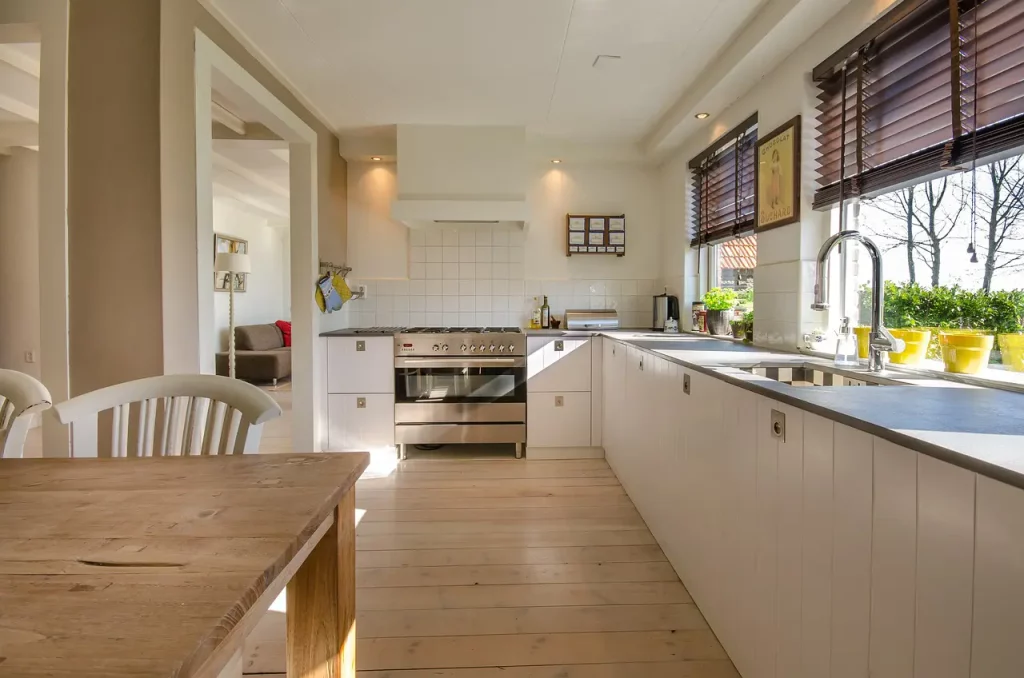
How much you plan to spend on your home renovation project is a factor when considering whether to renovate the kitchen or bathroom first. Working with a reputable contractor like Chicagoland Remodeling, who can help you determine your budget and priorities, is helpful. When it comes to choosing to renovate the kitchen or bathroom first, most experts suggest the kitchen is the first choice, especially for homeowners who are planning on selling soon. The kitchen is a higher trafficked area and offers more return for your money in resale value.
If your budget is small, you may decide to go with the least expensive renovation first. Then, later you can tackle the larger project. Another way to achieve both kitchen and bathroom renovations is to space out various projects. Address any major issues first. Once those are done, tackle the rooms one by one.
What needs to be done right away?
Sometimes which room you choose to renovate first is due to necessity. For instance, bathrooms are often a priority over kitchen renovations. If you are older, disabled, or just began providing care for a loved one, bathroom upgrades may be more pressing than a kitchen renovation. It is important to note that just because your bathroom is smaller than the kitchen, it doesn’t mean its renovation is less involved. There are common renovations in kitchens and bathrooms, such as countertops, cabinets, flooring, and tiling. But bathroom renovations also include dealing with mirrors, showers and tubs, shower doors, and other elements. In terms of renovating, bathrooms can be just as involved as kitchens.
Where is most of your time spent?
When choosing whether to renovate the kitchen or bathroom first, it makes sense to put your money where you spend more time. Which room carries the most importance in your life? If your idea of a relaxing evening is ordering takeout and indulging yourself by soaking in a bubble bath, the bathroom remodel may be the best place to start. But if you love to cook and you thrive on creating gourmet meals for your family and friends, your renovation efforts should focus on the kitchen.
What about convenience?
Another factor worth considering when trying to decide whether renovate the kitchen or bathroom first is convenience. Any remodeling project will disrupt your life and your daily schedule temporarily. Remodeling professionals at Chicagoland Remodeling will be respectful of your property and complete the job as quickly as possible. But crews will basically be taking over an area of your home until the renovations are complete. If your home only has one bathroom, you may choose to renovate the kitchen first. This can be a huge factor in your decision. However, if you have more than one bathroom, remodeling in one of them will not pose as much of an inconvenience.
Kitchen renovations and remodeling can be inconvenient for a short time. You may want to think about what time of year would be the easiest for you to deal with renovations. If you have an outdoor cooking area or covered patio, you may choose summertime for your kitchen renovations while you can do some cooking outdoors renovate the kitchen or bathroom first.
Contact Chicagoland Remodeling – the Contractors You Can Trust!
These are just a few of the factors to be considered when choosing whether to renovate the kitchen or bathroom first. Ultimately, you are the one to decide when renovations fit best in your schedule. You can also discuss the scope and timeline of the project with a professional who can help you determine what works best for you. Contact Chicagoland Remodeling today to discuss the details and get a free quote.