

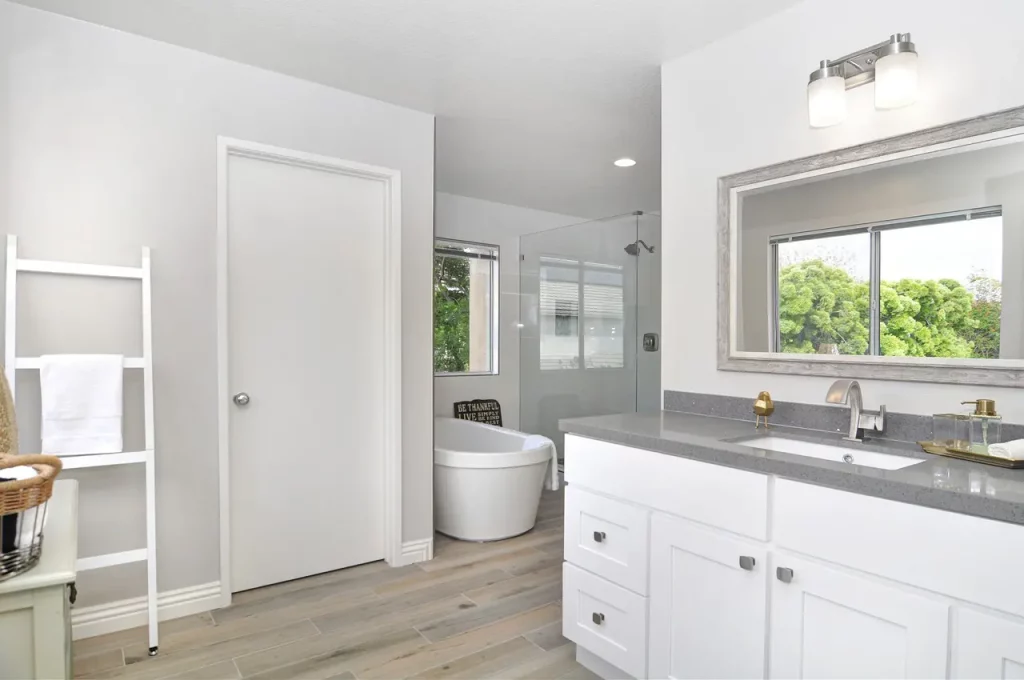
5 Tips Before You Start Bathroom Renovations

5 Essential Tips for a Successful Bathroom Renovation

5 Essential Tips for a Successful Bathroom Renovation

Embarking on a bathroom renovation can transform one of the most important rooms in your home, boosting both its functionality and aesthetic appeal. Whether you’re planning a complete overhaul or a few targeted updates, thorough preparation is key to avoiding costly surprises and ensuring a smooth process. A well-executed remodel can increase your home’s value by 60-70% of the project cost while creating a space tailored to your lifestyle. In this comprehensive 1000-word guide, we’ll share five critical tips to set you up for success before starting your bathroom renovation. As a trusted construction company, we’ll guide you through budgeting, scheduling, functionality, layout planning, and accessibility to create a stunning, practical bathroom.

Setting a Realistic Budget

A clear and realistic budget is the foundation of any successful bathroom renovation. Understanding costs upfront helps you prioritize features and avoid financial strain.

Estimating Costs

Bathroom remodels vary widely in cost, with average projects ranging from $5,000 to $15,000 for standard updates and $25,000 or more for high-end renovations. Factors like bathroom size, material quality, and layout changes impact expenses. For example, moving plumbing or choosing premium materials like marble countertops ($50-$150 per square foot) can significantly increase costs. Include a 10-15% contingency for unexpected issues, such as hidden water damage or electrical upgrades.

Cost-Saving Strategies

To stay within budget, research affordable materials like ceramic tiles ($5-$15 per square foot) or prefabricated vanities ($200-$800). Obtain multiple quotes from contractors to compare pricing and services. Consider partial updates, like replacing fixtures or painting, to refresh the space without a full remodel. A well-planned budget ensures you achieve your desired look while maintaining financial control.

Planning a Practical Timeline

Timing your renovation strategically minimizes disruptions to your daily routine and keeps the project on track. A well-defined schedule aligns with your household’s needs and contractor availability.

Bathroom renovations typically take 2-4 weeks for standard projects and 6-8 weeks for extensive remodels involving structural changes. Avoid peak seasons like holidays, when contractors may be busier and material costs higher. Consult with a contractor to estimate the timeline based on your project’s scope, factoring in permit approvals and material delivery times. For example, custom-ordered tiles or vanities may take 2-4 weeks to arrive.

Schedule inspections for plumbing, electrical, or structural work early to avoid delays. Clear communication with your contractor ensures the project stays on time, helping you maintain your budget and minimize inconvenience.

Prioritizing Functionality for Everyday Use

While aesthetics are important, a successful bathroom renovation balances beauty with practicality. Choosing features that enhance daily use ensures the space meets your household’s needs.

Key Functional Features

Consider features that streamline routines, such as additional storage (e.g., built-in cabinets, $300-$1,000) or a spacious walk-in shower ($2,000-$5,000). Heated floors ($1,500-$5,000) add comfort in colder climates, while a bidet ($200-$800) or touchless faucet ($100-$400) improves hygiene and convenience. For families, dual sinks ($500-$1,500) reduce morning congestion. Evaluate your needs—do you require more counter space, better lighting, or integrated laundry options?

Balancing Form and Function

Choose durable, low-maintenance materials like porcelain tiles or quartz countertops to ensure longevity without sacrificing style. Test layouts in a mock-up to confirm functionality, such as ensuring easy access to storage or fixtures. A functional bathroom enhances daily comfort and adds lasting value.

Designing an Effective Layout

The layout of your bathroom significantly impacts its usability and cost. Deciding on the type and configuration of your bathroom early guides all other choices.

Types of Bathrooms

A full bathroom includes a sink, toilet, and bathtub or shower, ideal for family homes. A half bathroom (powder room) has only a sink and toilet, suitable for guest areas. A wet bathroom, with a fully waterproofed open shower, is a modern, accessible option but requires specialized materials and installation ($10,000-$20,000). Decide whether to keep your existing layout or reconfigure it, noting that moving plumbing or walls increases costs and requires permits.

Optimizing Space

Maximize space with strategic choices, like a corner sink for small bathrooms or a floating vanity to free up floor space. Use design software or consult a contractor to create a layout that enhances flow and accessibility. Keeping plumbing in place reduces expenses while still allowing for a fresh design.

Here’s how to plan your layout effectively:

  1. Measure the space accurately, noting existing plumbing and fixtures.
  2. Sketch layouts to test configurations, such as L-shaped or linear designs.
  3. Consult a contractor for structural changes to ensure code compliance.
  4. Incorporate storage and accessibility features for long-term usability.

Incorporating Accessibility Features

Planning for accessibility ensures your bathroom remains functional as your needs evolve, whether due to aging, mobility challenges, or future resale. Proactive design saves money compared to retrofitting later.

Accessibility Upgrades

Install a curb-less, walk-in shower ($2,000-$5,000) for easy access, paired with slip-resistant tiles ($5-$15 per square foot) to enhance safety. Handheld showerheads ($50-$200) and lever faucets ($50-$150) are user-friendly for all abilities. Add blocking behind drywall ($100-$300) to support future grab bars without major renovations. Wider doorways (36 inches, $500-$1,500) improve maneuverability for wheelchairs or walkers.

Future-Proofing Benefits

Accessibility features increase your home’s appeal to buyers, as 60% of homebuyers prioritize aging-in-place designs, per real estate trends. These upgrades, costing $500-$5,000, enhance usability without compromising style, making your bathroom versatile and inclusive.

Here are cost-effective accessibility tips:

  • Choose universal design elements, like lever handles, that blend with modern aesthetics.
  • Install adjustable-height showerheads for flexibility.
  • Opt for low-maintenance, non-slip flooring to reduce upkeep.
  • Ensure proper lighting (e.g., LED sconces, $20-$100) for visibility.

Working with Professional Contractors

Complex renovations, especially those involving plumbing, electrical, or structural changes, benefit from professional expertise. Licensed contractors ensure compliance with local codes, such as the Chicago Building Code, and deliver high-quality results. They handle permits ($50-$500), coordinate inspections, and source materials at trade discounts, potentially offsetting labor costs ($50-$150 per hour).

Verify contractor credentials, check references, and review past projects to confirm experience with bathroom remodels. Request detailed quotes outlining costs, timelines, and warranties. Professional installation ensures durability and minimizes risks like leaks or electrical hazards.

Maximizing Value and Efficiency

A bathroom remodel can yield a 60-70% return on investment, making it a smart financial move. Focus on timeless materials, like neutral ceramic tiles or quartz vanities, to appeal to future buyers. Energy-efficient fixtures, such as low-flow toilets (1.28 gallons per flush) or LED lights, save $100-$200 annually on utilities, enhancing long-term value.

Plan strategically to avoid costly layout changes, like relocating plumbing, which can add $2,000-$5,000. Prioritize high-impact upgrades, such as lighting or storage, to maximize impact within your budget. A well-executed remodel enhances both daily comfort and marketability.

Conclusion: Launching Your Bathroom Renovation with Confidence

A successful bathroom renovation starts with careful planning, guided by these five essential tips: setting a budget, planning a timeline, prioritizing functionality, designing a layout, and incorporating accessibility. These steps ensure a smooth process, whether you’re updating a small powder room or creating a luxurious master bath. By balancing style and practicality, you can create a space that enhances your home’s value and daily enjoyment. Partner with experienced contractors to ensure compliance with local codes and professional results. Start your bathroom renovation today, and transform your space into a beautiful, functional retreat tailored to your lifestyle.

Scroll to Top